
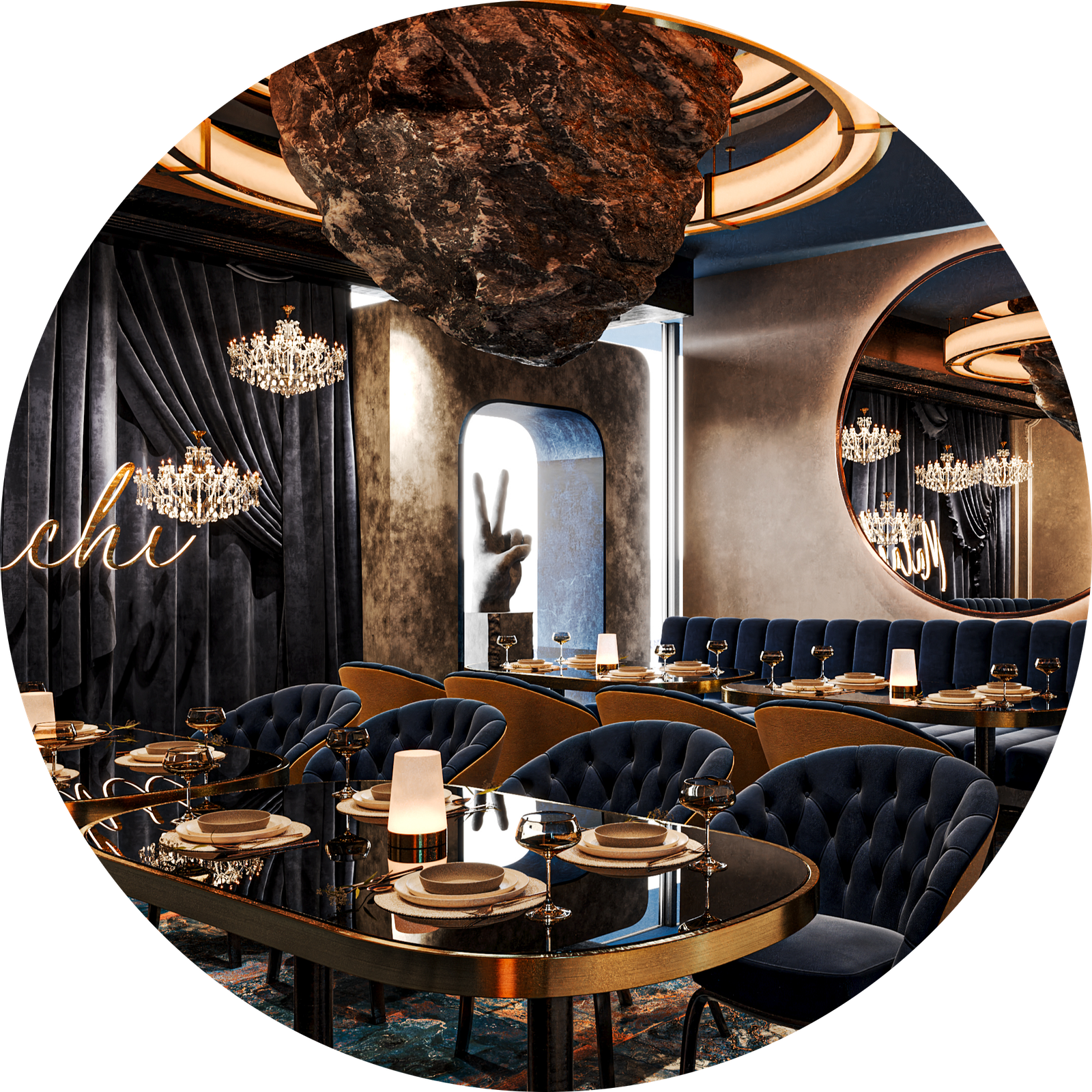


The 7 Elements of Interior Design: Creating Spaces That Feel Just Right
Designing a beautiful space isn’t just about choosing pretty furniture or trendy colors. Great interior design balances creativity with structure — and at its core are seven essential elements. These elements work together to create harmony, functionality, and style in any room.
Whether you’re decorating your first home, planning a renovation, or just refreshing a room, understanding these 7 elements of interior design will help you make smarter, more cohesive design choices.
1. Space
The physical boundaries of a room — its length, width, and height.
Space is the foundation of interior design. It can be two-dimensional (floor layout) or three-dimensional (volume within the room). There are two types:
- Positive space: Where objects are placed (furniture, decor)
- Negative space: The empty or open space around those objects
2. Line
Lines give a room structure and guide the eye.
Lines can be:
- Horizontal: Tables, beds, shelves (adds stability and calm)
- Vertical: Windows, doorways, tall furniture (adds height and drama)
- Dynamic/Diagonal/Curved: Staircases, arches, or decorative patterns (adds movement and energy)
3. Form
The shape or contour of objects in a space.
Forms can be:
- Geometric: Clean, hard-edged shapes (squares, rectangles, circles)
- Organic: Natural, fluid shapes (curved furniture, plants)
4. Light
Natural and artificial light that affects how everything looks and feels.
Lighting influences:
- Mood
- Perceived size
- Color perception
Types of lighting:
- Ambient (general lighting)
- Task (reading lamps, kitchen under-cabinet lights)
- Accent (to highlight artwork or decor)
5. Color
One of the most powerful design tools, color sets the emotional tone of a space.
Color affects:
- Mood (cool tones calm, warm tones energize)
- Room size perception (light colors expand, dark colors contract)
- Style cohesion (e.g., monochrome = modern, bold contrasts = eclectic)
6. Texture
The surface quality of a material — how it feels or looks like it feels.
Textures can be:
- Visual (how it appears)
- Tactile (how it physically feels)
Examples: smooth marble, rough wood, soft velvet, coarse jute.
7. Pattern
Repeated decorative designs or shapes.
Patterns bring life and movement to a space. They can be found in:
- Wallpapers
- Fabrics (curtains, cushions)
- Rugs and tiles


